Guangzhou’s Qixi Festival Cultural Activities: A Celebration of Craftsmanship, Heritage, и инновации
Исторические корни: From Ancient Traditions to Modern Revival
Guangzhou’s Qixi Festival, also known as the “Seven Sisters Festival” or “Double Seventh Festival,” traces its origins to the Eastern Jin Dynasty (317–420 AD), when Han Chinese immigrants brought the tradition of worshipping the Weaver Girl (Zhinu) and Cowherd (Niulang) stars to southern China. Over centuries, the festival evolved into a vibrant cultural practice in Guangdong, particularly in Tianhe District’s Zhucun Village, dubbed the “First Village of Qixi in China.”
The festival’s core rituals—“Bai Qi Niang” (worshipping the Seven Sisters) и “Bai Qi” (making offerings to deities)—were formalized during the Qing Dynasty. By the late 19th century, Guangzhou’s Shangjiu Fu and Xiajiu Fu streets became bustling markets for women’s accessories, reflecting the festival’s role in promoting marital harmony and craftsmanship. After a decline in the mid-20th century, the tradition was revived in 1998 by eight elderly women in Zhucun, leading to the establishment of the Guangzhou Qixi Cultural Festival in 2005. В 2011, the “Tianhe Qixi Customs” were inscribed on China’s National Intangible Cultural Heritage List.
Traditional Rituals: Craftsmanship and Symbolism
1. “Bai Qi Niang” and Needlework Competitions
Central to the festival is the ritual of worshipping the Seven Sisters, where unmarried women gather in ancestral halls to burn incense, offer fruits, and pray for skill and marital bliss. A highlight is the “Dui Ying Chuan Zhen” (threading needles under lamplight) contest, where participants race to thread seven needles through a single hole. Success symbolizes “dexterity” (qiao), while failure is playfully termed “losing skill” (shu qiao).
2. “Bai Qi” Offerings and Handicraft Displays
Families prepare elaborate offerings, включая “Zhai Ta” (rice-paddy towers) и “Xi Gong” (miniature scenes of the Cowherd and Weaver Girl’s reunion). These are displayed in祠堂 (ancestral halls) during “Dai Qi” (grand Qixi) ceremonies, where communities compete to create the most intricate displays. Traditional materials like bamboo, silk, and colored paper are used, though modern artists now incorporate LED lights and 3D-printed elements.
3. Community Feasts and Folk Performances
The festival culminates in “Chi Qi Niang Fan” (communal feasts), where extended families share meals symbolizing unity. Folk operas, такой как The Legend of the Cowherd and Weaver Girl, are performed by local troupes, blending Cantonese opera with contemporary themes.
Modern Innovations: Bridging Heritage and Technology
1. Digital Integration and Metaverse Experiences
С 2022, the Guangzhou Qixi Cultural Festival has embraced digital transformation. Visitors can explore virtual exhibitions via the “Guangzhou Qixi Digital Museum”, which uses holograms and augmented reality to recreate historical rituals. В 2025, the festival introduced a metaverse platform, allowing global audiences to participate in virtual needlework competitions and interactive storytelling.
2. Cultural Tourism and Cross-Regional Collaborations
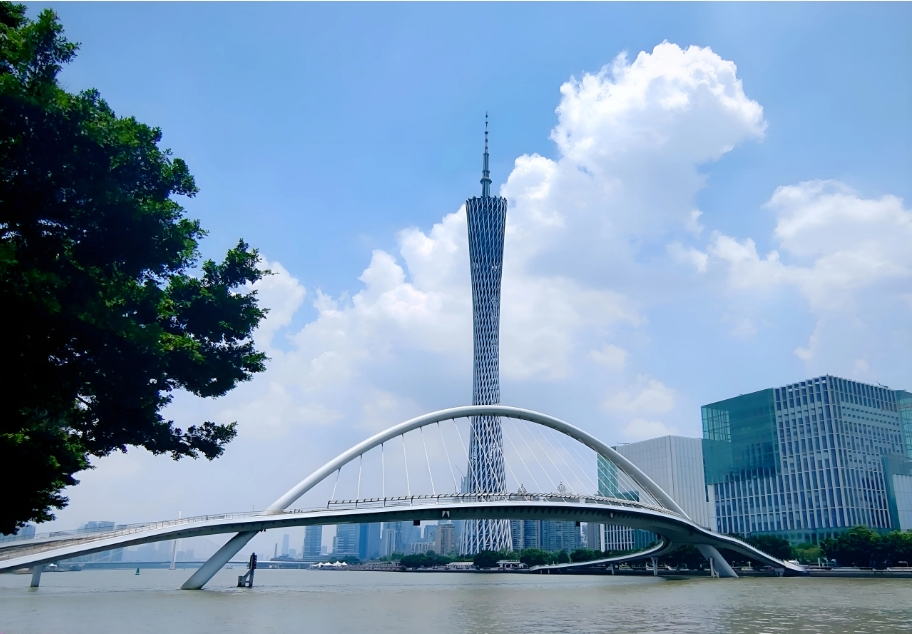
The festival has expanded beyond Zhucun to include nine satellite venues across Guangzhou, such as Guangzhou Tower and Zhengjia Plaza. These sites host “Qiao Culture Bus” routes, where decorated buses showcase festival themes. Collaborations with Huangpu District feature “Guangzhou-Huangpu Qixi Cultural Exchange” events, displaying 200+ handicrafts by three generations of artisans.
3. Artistic Revitalization and Educational Outreach
Contemporary artists reinterpret Qixi motifs through installations like “Power-Driven Stone Mill” (a kinetic sculpture depicting traditional rice-grinding) и “Light-Up Canton Tower” (a glowing replica of the iconic landmark). Educational initiatives include workshops on Гуандун вышивка и вырезание бумаги, led by masters like Pan Huijun, a provincial-level heritage bearer. В 2024, four painters created portraits of Qixi inheritors, which are now displayed at the Guangzhou Qixi Cultural Museum.
Живая традиция: From Ancestral Halls to Global Stages
Guangzhou’s Qixi Festival is not a relic of the past but a dynamic cultural force. By blending ancestral rituals with cutting-edge technology, the event attracts over 190,000 посетителей ежегодно, including international tourists. Инициативы, подобные “Qiao Culture Seed Plan” train young artisans in traditional crafts, while partnerships with universities ensure academic preservation.
As the festival enters its third decade, it continues to evolve—hosting esports tournaments alongside needlework contests and launching NFT collections of Qixi art. Еще, at its heart, the festival remains a testament to Guangzhou’s ability to honor its heritage while embracing the future. Whether through a hand-stitched silk embroidery or a digital avatar in the metaverse, the spirit of Qixi endures: a celebration of love, креативность, and the enduring power of tradition.