Comprehensive Budget Planning for a Seven-Day Trip to Beijing
Crafting a budget for a week-long visit to Beijing involves evaluating expenses across multiple categories, from accommodation and transportation to cultural activities and daily meals. While costs fluctuate based on personal preferences and travel seasons, this guide outlines key considerations to help visitors estimate their total spending without relying on fixed prices or branded recommendations.
Accommodation: Balancing Location and Comfort
Choosing where to stay in Beijing significantly impacts overall expenses. Central areas like Dongcheng and Xicheng, home to landmarks such as the Forbidden City and Wangfujing Street, typically offer higher-priced hotels and guesthouses. 대안으로는 차오양(Chaoyang)과 같은 지역이 있습니다., which combines modern amenities with access to international dining, 또는 하이뎬, known for its proximity to universities and green spaces. Travelers prioritizing affordability might explore shared apartments or budget-friendly hostels, while those seeking cultural immersion could opt for traditional courtyard hotels. Staying near subway stations reduces transportation costs and ensures easy access to attractions across the city.
Daily Transportation: Navigating Beijing’s Public Systems
Beijing’s subway network is a cost-effective way to traverse the city, with fares starting at a base rate and increasing slightly for longer journeys. A rechargeable transport card simplifies payment and offers discounts on transfers between lines. Buses provide another affordable option, though routes may require prior planning for non-local travelers. Taxis are readily available but more expensive during peak hours or late-night rides. 유연성을 위해, some visitors combine subway trips with short walks to discover hidden hutongs (alleyways) or local markets. Bike-sharing programs, accessible via mobile apps, offer an eco-friendly and budget-friendly alternative for exploring flat areas like the Olympic Park or Shichahai Lake.
Cultural and Historical Exploration: Entrance Fees and Activities
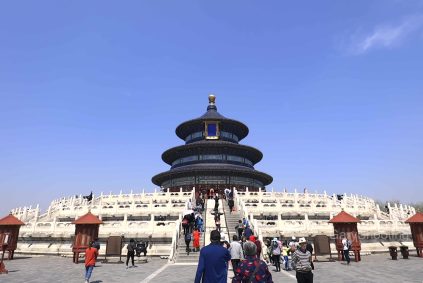
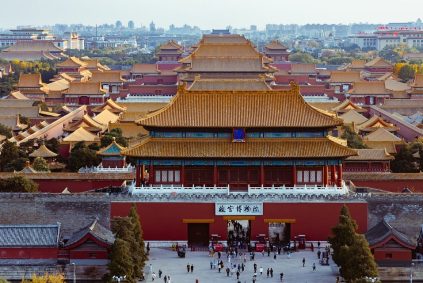
Beijing’s rich heritage demands a significant portion of any itinerary. Major attractions like the Forbidden City, Temple of Heaven, and Summer Palace require tickets, with potential discounts for students or seniors presenting valid identification. Outdoor sites such as the Great Wall (Mutianyu or Badaling sections) often involve additional costs for transportation and entry. Free activities include strolling through Tiananmen Square, visiting the Olympic Park’s exterior grounds, or exploring the 798 Art Zone’s contemporary galleries. Combining tickets for related sites or visiting during off-peak hours can help manage expenses while avoiding crowds. Some museums and cultural centers also host free workshops or performances, providing deeper engagement without extra fees.
Dining: From Street Snacks to Regional Cuisine
Food expenses in Beijing vary widely depending on dining preferences. Street vendors near tourist hubs sell affordable snacks like 지앤빙 (풍미있는 크레페), grilled skewers, and steamed buns, offering quick and inexpensive meals. Local restaurants in hutongs serve hearty dishes such as 자장면 (된장을 넣은 국수) 또는 북경오리 더 간단한 설정으로, often at lower prices than upscale establishments. For a cultural experience, dining in a restored courtyard allows guests to savor traditional recipes while observing architectural details. 채식주의자 및 식단 제한이 있는 사람들은 많은 요리에 고기나 해산물이 포함되어 있다는 점에 유의해야 합니다., though staff are usually willing to modify recipes. Splitting large meals or ordering family-style plates can further reduce costs for groups.
기타 비용: Souvenirs and Unplanned Costs
필수 요소 그 이상, 여행자들은 종종 기념품을 위해 자금을 할당합니다, 손으로 그린 팬과 같은, jade carvings, or silk scarves from markets like Panjiayuan Antique Market or Liulichang Cultural Street. Unplanned activities might include attending a Peking opera performance, joining a calligraphy class, or taking a guided hutong tour, with costs varying by provider and duration. 긴급비용, such as medical care or replacement transportation tickets, 예산에도 반영해야. Carrying cash remains advisable for small vendors or rural areas, 디지털 결제가 더욱 널리 보급됨에도 불구하고. Setting aside a contingency fund ensures flexibility for spontaneous opportunities or unexpected needs.
By addressing these categories, visitors can create a realistic budget that accommodates their interests while allowing for adjustments based on real-time experiences. Beijing’s blend of ancient traditions and modern infrastructure ensures a rewarding trip without necessitating excessive spending.