A Detailed Cost Breakdown for a Three-Day Trip to Beijing
Planning a trip to Beijing requires balancing cultural exploration, local transportation, and daily expenses. While costs vary based on travel style, this guide outlines typical categories to help visitors budget effectively without relying on specific prices or branded services.
Accommodation Options Across Different Areas
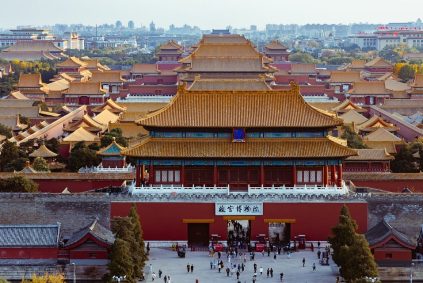
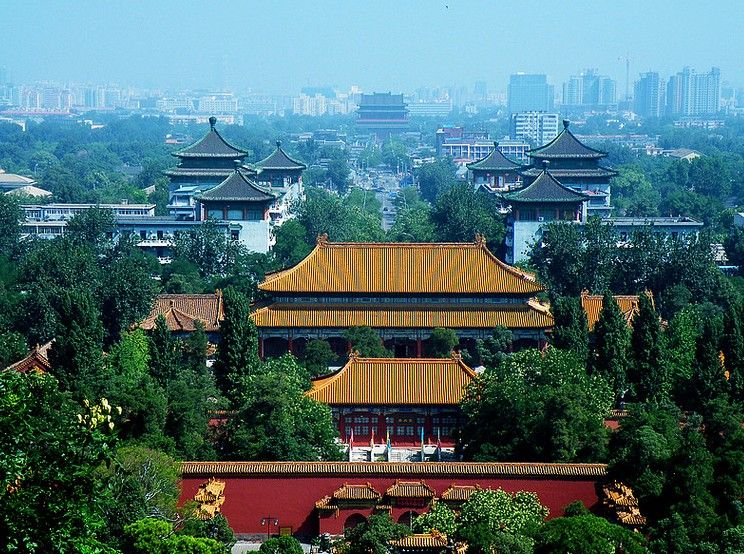
Choosing where to stay in Beijing impacts both convenience and expense. Central districts like Dongcheng and Xicheng offer proximity to major attractions such as the Forbidden City and Tiananmen Square, often at a premium. 代わりに朝陽市などの地域も含まれます, which provide modern amenities and easier access to international dining, または海淀, known for its proximity to universities and parks. Budget-conscious travelers might consider guesthouses or shared apartments, while those seeking comfort could explore mid-range hotels with traditional courtyard designs. Staying near subway stations reduces transportation costs and time spent commuting.
Navigating Public Transportation and Local Travel
Beijing’s subway system is efficient and cost-effective, with fares starting at a base rate for short trips and increasing slightly for longer distances. A rechargeable transport card simplifies payment and offers discounts on transfers. Buses are another affordable option, though routes may be less intuitive for first-time visitors. Taxis are widely available but more expensive during rush hours or late at night. 柔軟性を高めるために, some travelers combine subway rides with short walks to explore hidden alleys and local markets. Day passes for public transport or bike-sharing memberships can further optimize costs for those planning multiple daily outings.
Dining Experiences: From Street Food to Traditional Restaurants
Beijing’s culinary scene caters to all budgets. Street vendors near landmarks like Wangfujing Street sell snacks such as 建平 (おいしいクレープ) and grilled skewers, offering quick, affordable meals. Local eateries in hutongs (narrow alleys) serve hearty dishes like 漳江面 (味噌入り麺) または 北京ダック よりシンプルな設定で, often at a fraction of high-end restaurant prices. より深い文化体験のために, dining in a courtyard restaurant allows guests to savor regional specialties while observing traditional architecture. ベジタリアンや食事制限のある方は、多くの料理に肉や魚介類が含まれていることに注意してください。, but staff are usually willing to adapt recipes upon request.
Cultural Attractions and Entrance Fees
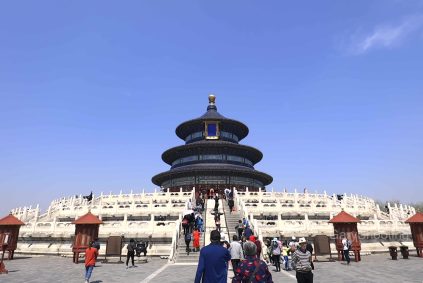
Beijing’s historical sites dominate itineraries, with many requiring tickets. The Forbidden City and Temple of Heaven charge admission, though discounts may apply for students or seniors with valid ID. Outdoor parks like the Summer Palace or Beihai Park combine natural beauty with architectural marvels, often at lower costs. Free attractions include Tiananmen Square and the Olympic Park’s exterior grounds. To maximize value, visitors can purchase combination tickets for related sites or prioritize off-peak hours to avoid crowds. Some museums and galleries offer free entry on certain days, providing opportunities to engage with art and history without additional fees.
雑費: Souvenirs and Unplanned Activities
必需品を超えて, 旅行者はお土産に資金を割り当てることが多い, 手描き扇子など, silk scarves, or calligraphy sets from markets like Panjiayuan Antique Market. Unplanned activities might include attending a Peking opera performance or participating in a tea ceremony, which vary in cost based on venue and duration. 緊急出費, such as medical care or unexpected transportation needs, 予算にも織り込む必要があります. Carrying cash for small vendors or rural areas remains advisable, デジタル決済がさらに普及しているにもかかわらず.
By considering these categories, visitors can create a flexible itinerary that reflects their interests while managing expenses responsibly. Beijing’s blend of ancient traditions and modern infrastructure ensures a memorable experience without requiring excessive spending.